
In the past few years, there has been renewed interest in what used to be called Unidentified Flying Objects (UFOs), now replaced in official circles by the term Unidentified Aerial (or Anomalous) Phenomena (UAP).
Though mentions of strange things in the sky go back a long time, it wasn’t until 1947 that sightings began to receive increased attention. That was the year when U.S. pilot Kenneth Arnold reported seeing nine shiny, high-speed, disc-shaped objects flying in formation near Mount Rainier, Washington. Describing their motion like “a saucer if you skip it across water,” the U.S. press gave the objects the term “flying saucer,” sparking the start of what has been called the modern UFO era.
So, what was the scientific view of UFOs at the time? Professor Hermann Oberth, one of the founders of rocketry and modern astronautics, is quoted in The American Weekly on October 24, 1954: “It is my thesis that flying saucers are real and that they are spaceships from another solar system.” He added, “I think that they possibly are manned by intelligent observers… that may have been investigating our Earth for centuries.”
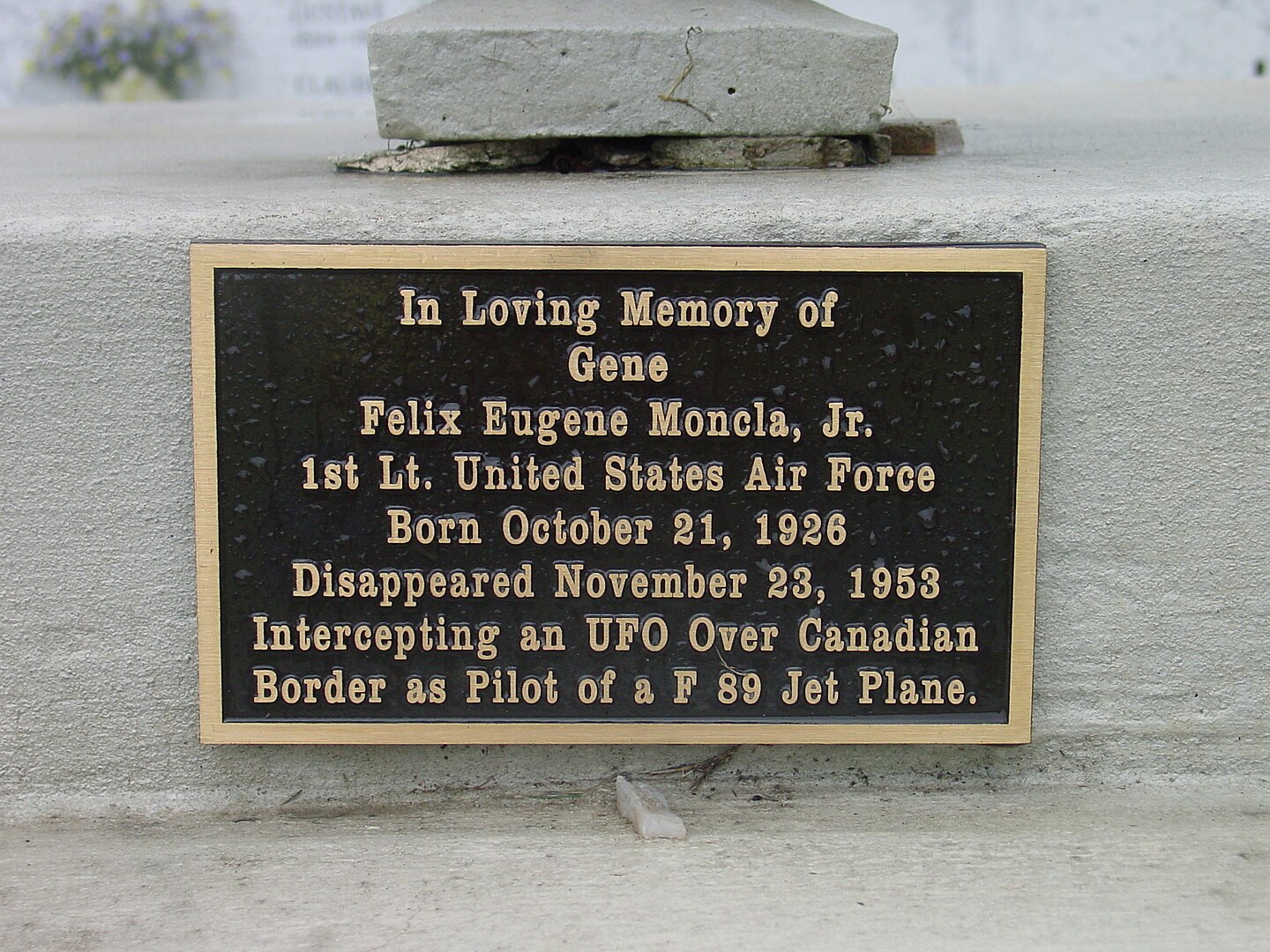
Around Northern Wilds, there’s been an ongoing number of reported UFO sightings, including the famous 1953 Kinross Incident (F-89C Scorpion jet appeared to merge with UFO on radar and disappeared over Lake Superior), and in 1965, two sailors witnessed, about one-quarter mile from their ship, a soundless, wingless, cigar-shaped object about 600 feet (182 m) above Lake Superior.
On August 20, 1966, a UFO heading northeast was detected by a Duluth-based U.S. Air Force radar observer about 45 miles (72 km) southwest of Finland. Seconds later, the radar sweep showed the object had become stationary, hovering in the Finland area for about 10 minutes. Two F-102 Delta interceptor aircraft were scrambled from Duluth. The pilots reported they were within six miles of a flat, grey disk about 30 feet (9 m) in diameter when it accelerated, and was detected on radar over Grand Marais before disappearing.
Then, almost a year later in July 1967, military personnel at the BOMARC (Boeing–Michigan Aeronautical Research Center) interceptor missile launch facility north of Duluth at Minnesota’s French River reported that a round, extremely bright light was hovering five to six feet directly above the nuclear missile silo. At the same time, the missile blast doors had become inoperable. Coincidence? The UFO, which had also been detected by Duluth radar, then flew away.
Moving forward 20 years to May 6, 1987, Thunder Bay’s Times-News newspaper reported an incident on board a Canadian Airlines Boeing 737 flying from Toronto to Winnipeg, piloted by Rick Olsen. While north of Thunder Bay, the plane’s weather-system radar detected a strong signal from a large object about 50 miles (80 km) away, streaking across the sky at 5,100 mph (8,208 km/h). Olson tracked the object for four minutes and later told the reporter, “This return indicated something six times the size of a 747, about the size of an aircraft carrier.”
Nine years later, on December 28, 1996, a UFO sighting received local media attention when dozens of Thunder Bay residents reported seeing a silvery object over Lake Superior’s Sibley Peninsula, home to Sleeping Giant Provincial Park.
And what do astronauts think about UFOS?
The commander of NASA’s last moon-landing mission, Apollo 17 (1972), and the last person to walk on the moon, Eugene Cernan (1934-2017), was quoted in the LA Times: “I’ve been asked and I’ve said publicly I thought they were somebody else, some other civilization.”
Astronaut Gordon Cooper (1927-2004), the youngest of NASA’S seven original Mercury astronauts, told a United Nations panel in 1985, “I believe that these extraterrestrial vehicles, and their crews, are visiting this planet from other planets, which obviously are a little more technically advanced than we are here on Earth … I can now reveal that every day in the USA, our radar instruments capture objects of form and composition unknown to us.”
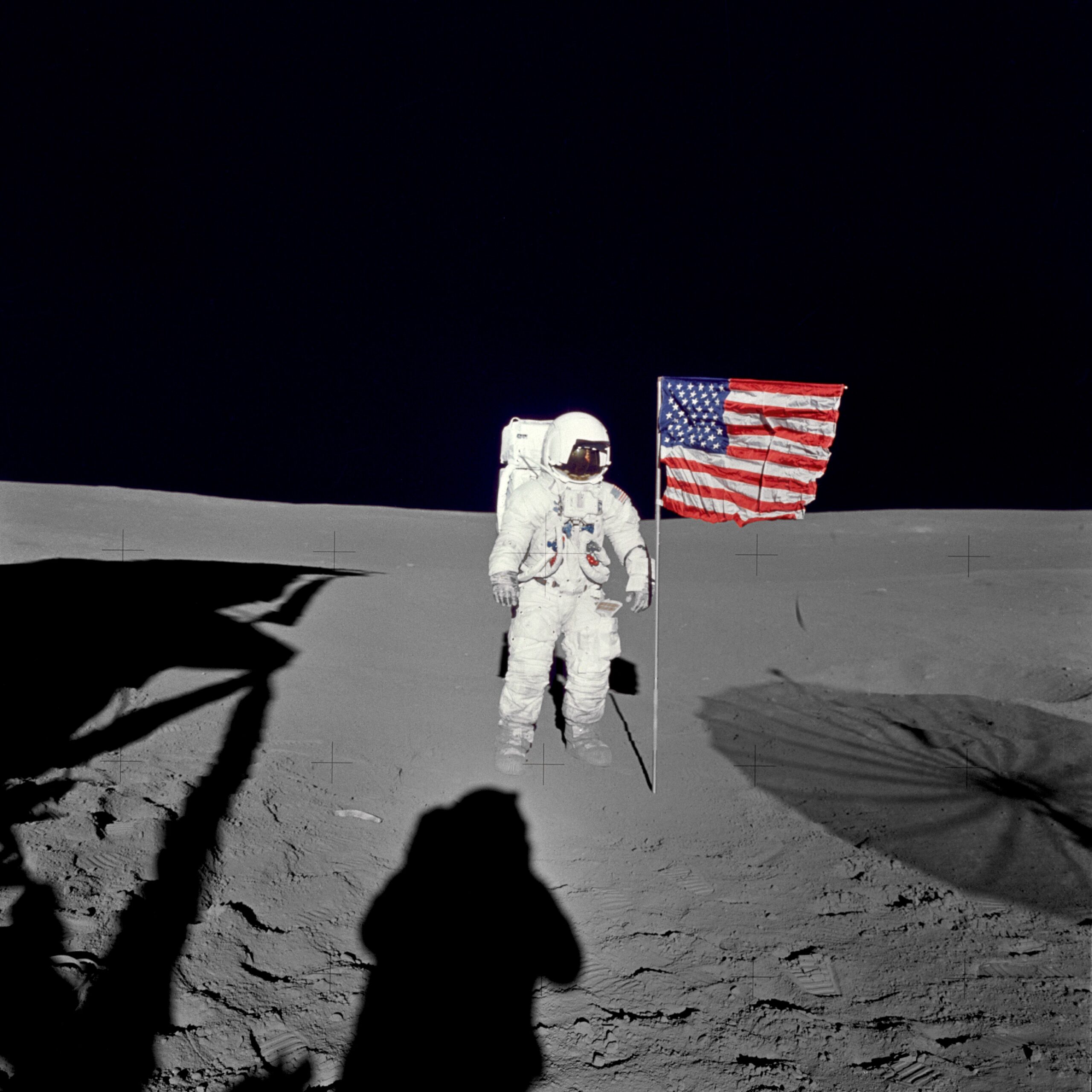
Edgar “Ed” Mitchell (1930-2016), the NASA astronaut who walked on the moon in 1971 during the Apollo 14 mission, said on a British radio show on July 23, 2008: “I happen to have been privileged enough to be in on the fact that we’ve been visited on this planet, and the UFO phenomena is real.”
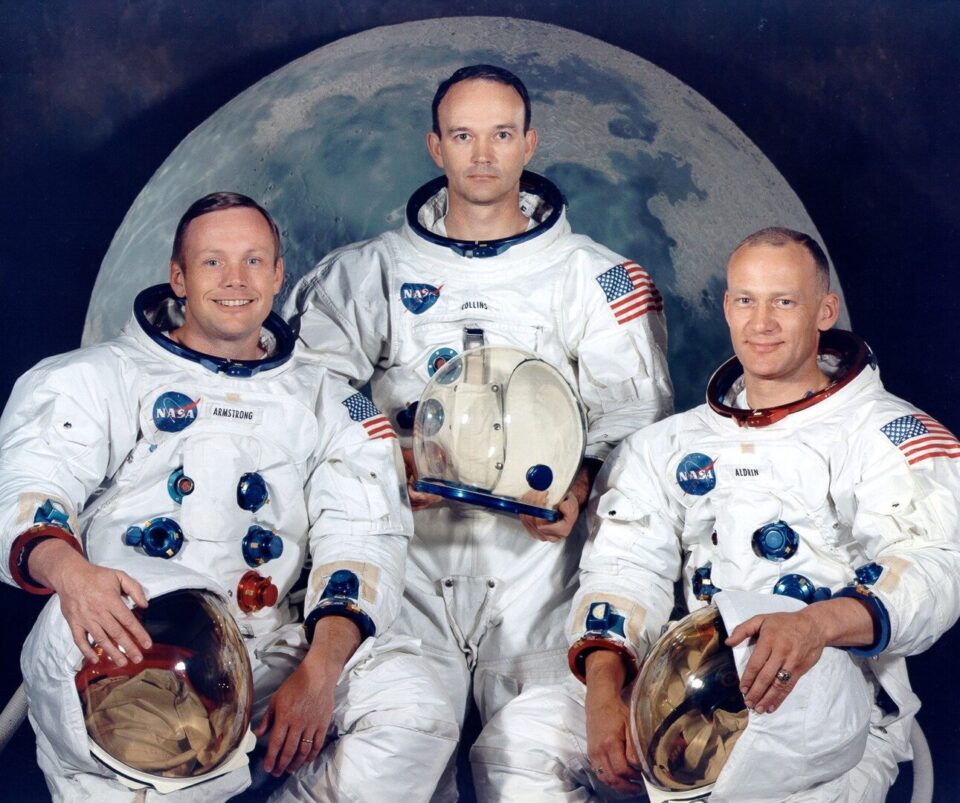
NASA astronaut Neil A. Armstrong (1930-2012), commander of Apollo 11, the first moon landing in 1969, and the first person to walk on the moon, made an interesting comment on the 25th anniversary of the historic mission: “There are unimaginable wonders… for those who can remove some of Truth’s protective layers.”
In addition, politicians have been making their views known for years. For example, in September 2005, Canada’s former Minister of National Defence, Paul Hellyer (1923-2021), publicly announced that he believed in the existence of UFOs, and nine years later said aliens have visited Earth.
Oh, and stay tuned. On December 19, 2025, the mysterious interstellar object known as 31/ATLAS, which has been maneuvering at 130,000 mph (209,214 km/h) around our solar system, will have made its closest approach to Earth when it is 170 million miles (270 million km) away. Scientists will be watching it closely, and, hopefully, can clear up the speculation: is it a comet, or an alien vehicle?