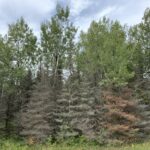

For Minnesota and Ontario gardeners, fall isn’t just a season of beauty—it’s a critical window.
The work done now can mean the difference between a garden that bursts forth in spring and one that limps along, battered by snow, pests, or neglect. As winter creeps in, it’s time to tuck the garden in for its long rest—and do so with care.
Why Fall Prep Matters
St. Louis County Extension Educator Bob Olen was out in his field digging fall vegetables for display on his PBS North show Great Gardening when he paused to take a call about preparing gardens for winter.
“You want to control all your perennial weeds—those that come back every year,” Olen said. “It’s much easier to pull them in the fall than to fight them in the spring.”
He also urged gardeners to get a soil test before the ground freezes. “Get that done now so you’ll know what amendments your garden needs,” he said. “And when you add those amendments in the fall, they can work their magic over the winter months.”
Finally, Olen encouraged gardeners to take stock of the season. “This is the time to review your successes and your failures,” he said, “so you can plan ahead for ordering seeds and other supplies.”
The University of Minnesota Extension also reminds gardeners that fall is the perfect time to plant cover crops such as oats and peas. Planted in early fall, they grow quickly, then die back over the winter. “They add or retain nutrients in your soil… leaving you with a nice seedbed in the spring for your next round of vegetables.”
In Thunder Bay, Vanderwees Garden Gallery website notes that perennials can be planted either in their dormant stage in fall or their active stage in spring. Fall plantings allow root systems to settle in quietly beneath the snow, ready to awaken early when the thaw comes.
Harvest, Clean Up, and Disease Prevention
Before the snow flies, gather every last tomato, pepper, bean or herb that can’t take frost. Root crops like carrots and beets can linger a little longer, but don’t forget them. Remove diseased plants—and don’t compost them unless you know your pile will get hot enough to kill pathogens.
Gardening experts advise cutting back perennials with dead or diseased foliage, but leaving some plants, like coneflowers and sedums, for “winter interest and food for birds.”
Quick Checklist:
- Harvest remaining fruits, vegetables, and herbs before frost.
- Pull spent annuals and compost healthy plant material.
- Remove and discard diseased plants.
- Rake leaves; compost or use as mulch.
Soil and Mulch: Your Winter Armor
Where freeze-thaw cycles are intense, soil protection is essential. Adding compost or manure in fall allows organic matter to begin breaking down. Cover bare ground with mulch—2 to 4 inches of leaves, straw, or shredded bark—to insulate roots and protect soil structure.
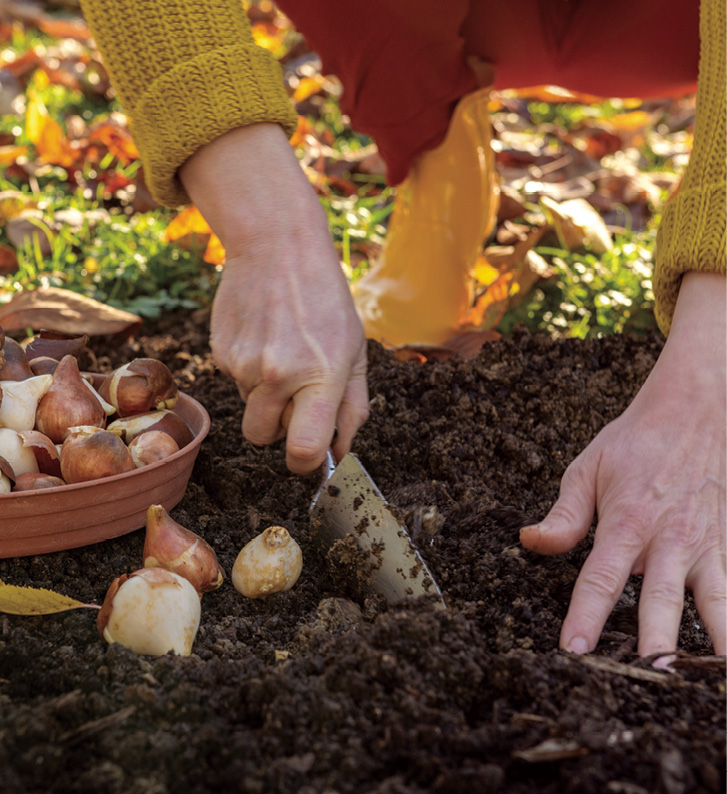
The University of Minnesota Extension’s “Final Fall To-Do List” reminds gardeners that there’s still time to plant spring bulbs such as tulips and daffodils, as long as the ground hasn’t frozen.
Perennials, Bulbs and Planting Decisions
Fall is prime time for dividing and transplanting hostas, daylilies, and irises. Newly separated plants settle in more easily with cool soil and fewer pests.
Bulbs for spring bloom must go in before the ground hardens. That extra step helps plants handle the long winter ahead.
Lawn, Trees, and Shrubs: Big Picture Protection
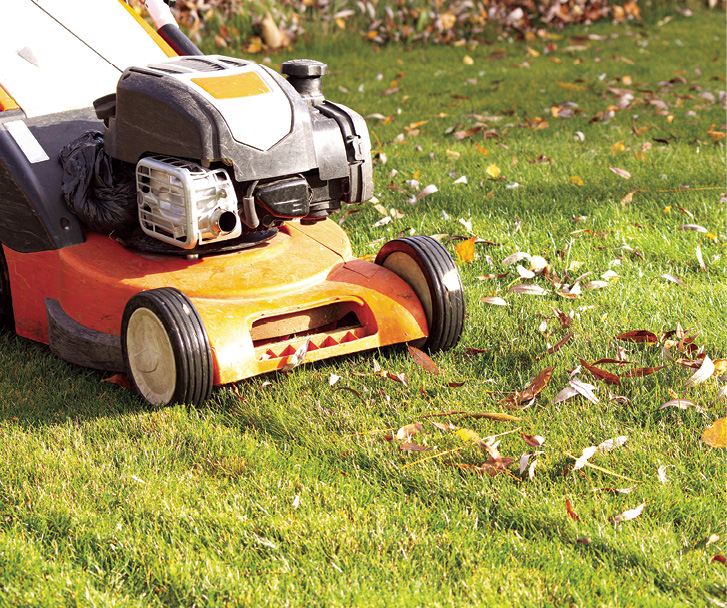
Lawn care often gets forgotten in the rush of fall, but it matters. The University of Minnesota Extension advises mowing to about 2 inches before snowfall to reduce the risk of snow mold. Aerating heavy soils or reseeding bare patches also gives grass a stronger start in spring.
Trees and shrubs benefit from protection. Wrap thin-barked trees to prevent sunscald. Use burlap or tree guards against rabbit and deer damage. Add mulch around, but not against, the trunk. Evergreens need a deep watering before the ground freezes to prevent winter burn.
Tools, Gear, and Reflection
Gardeners who invest a little time now save frustration later. Clean and oil pruners and shovels to prevent disease carryover. Drain hoses and irrigation lines before hard frost. Empty and store pots and rain barrels.
Not every gardener wants to fuss over every detail. Many embrace what they jokingly call a “lazy gardener’s” approach: leaving ornamental grasses and seed heads standing for winter beauty and bird food, letting fallen leaves serve as mulch, or covering raised beds with cardboard to keep them weed-free until spring.
In the fall, tidy the shed. You’ll be happy you did in the spring.
Winter’s Rest, Spring’s Promise
Northern winters are long and demanding, but fall gardeners have the privilege of doing much of the heavy lifting early. If plants are tucked in strong—fed, mulched, and protected—they’ll greet spring with energy.