

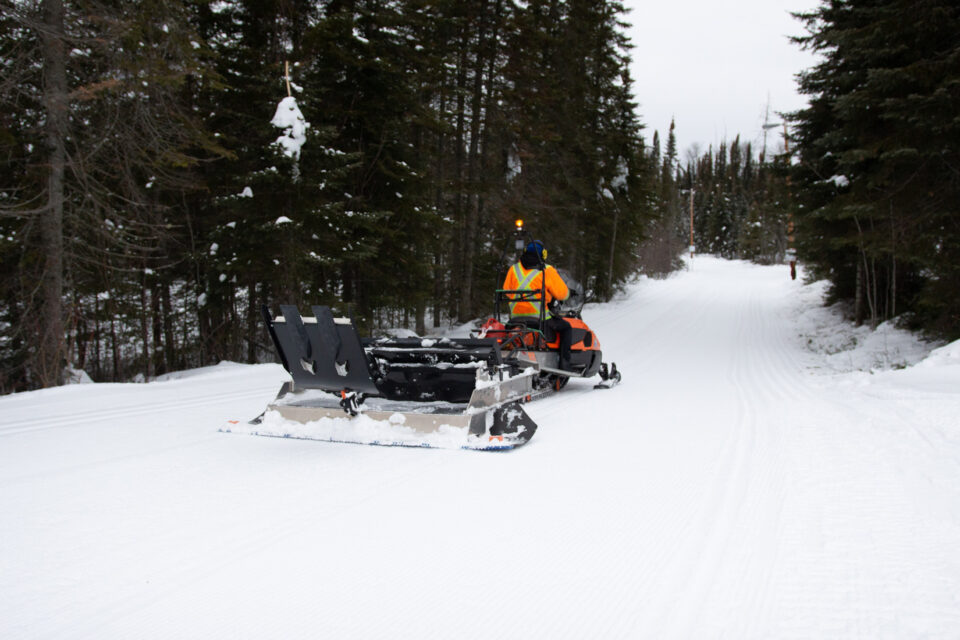
Thunder Bay Nordic Trails (TBNT) has been a cornerstone of Thunder Bay’s cross-country skiing community for more than 40 years. Based at Kamview Nordic Centre, the organization—one of the largest ski clubs in Canada—serves more than 1,700 members and maintains 35 kilometers of groomed trails and 15 kilometers of snowshoe routes.
For General Manager Dave Suttie, the journey to Kamview began long before he ever stepped behind the counter of the chalet. “Way back in the ’70s, my family had a lawn and garden business in the summer, and in the winter we sold snowblowers and cross-country ski equipment,” he said. “I’ve been around skiing my whole life.”
Today he oversees virtually every aspect of Kamview’s operations. “I’m general manager here, so a little bit of everything: grooming, equipment maintenance, trail maintenance, making sure the buildings are in good shape, and making sure the skiers are happy.”
Located just minutes from Thunder Bay, Kamview Nordic Centre sits on 600 acres along Highway 61. The chalet is a hub of activity all winter long. “We have a full-service chalet with seating, a canteen, cookies, soup, chili, and all kinds of baking,” Suttie said. A full rental shop offers skis, boots, poles, snowshoes, and even chariots for young children. Families, recreational skiers, and visiting athletes spill in from lit trails that stretch 7 kilometers through the woods.
“We have about 35 kilometers of skate and classic trails,” Suttie explained. “And we have about 10 to 15 kilometers of dedicated snowshoe trails, plus a 4-kilometer dog trail where people can actually take their dogs and ski with them.”
Programming has grown alongside the trail network. Youth learn to ski through the Jackrabbits and Big Thunder programs. Adults new to the sport can join Steps and Strides or the masters program. “We also participate in a ski and snowshoe in the schools program, so kids can try skiing while they’re in school,” Suttie added.
As a nonprofit, TBNT is governed by an 11-member volunteer board and supported by memberships, day passes, chalet rentals, and grants. “We’ve actually got quite a few grants in the past few years,” Suttie said. “We’ve been able to make a lot of improvements and purchase newer equipment. We’ve done some siding on the buildings, work on the snowmaking system, and fencing, just trying to keep things looking good and working well.”
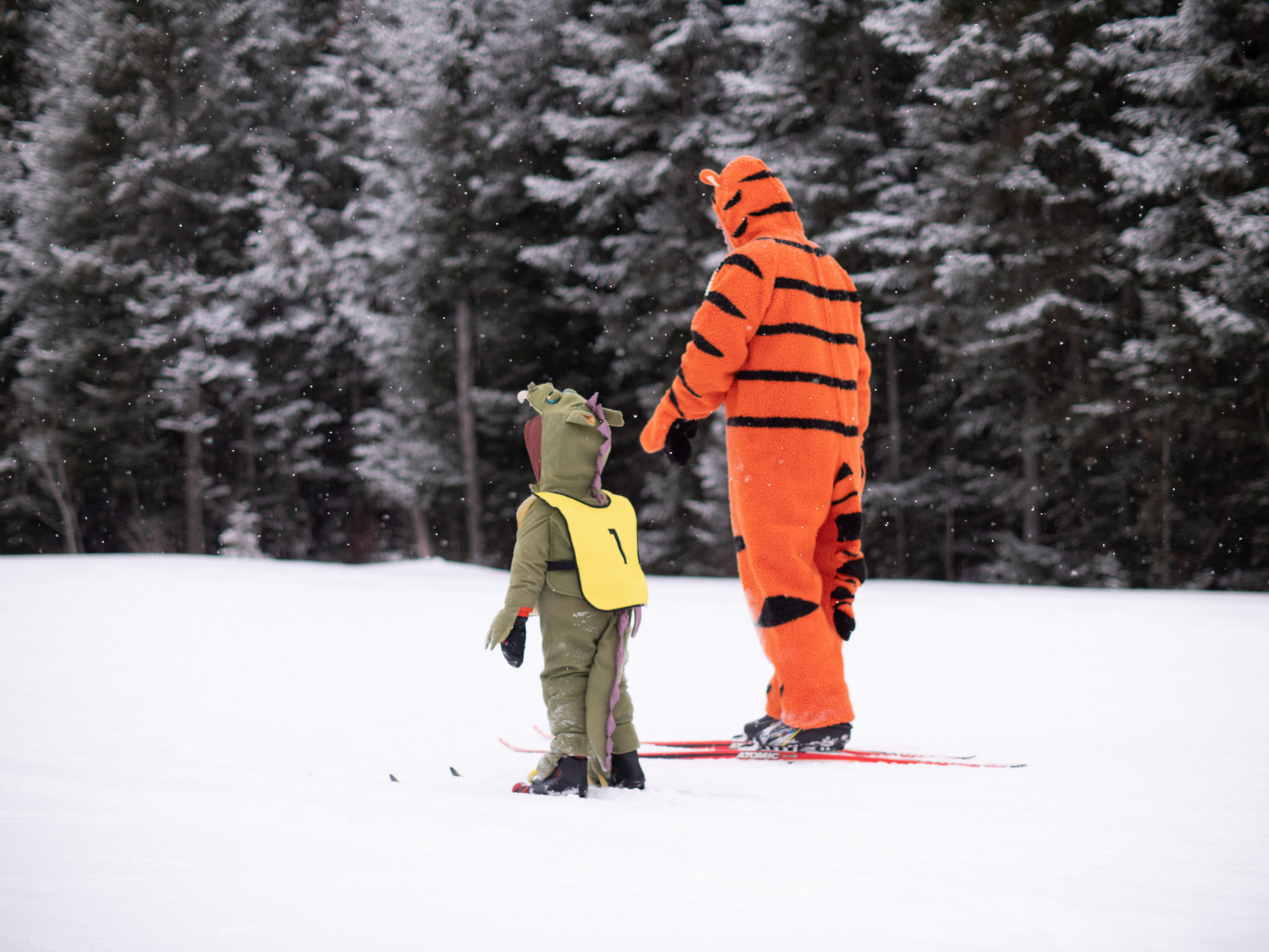
Kamview hosts races throughout the winter, from the popular Kamview Classic (5k), Kamview Tour (30k), and Lake Superior Biathlon, to festive smaller events. “An event we do that’s pretty popular is called the Tin Can Challenge,” Suttie said. “We put about 20 painted cans out on the trail with letters or numbers. You solve the code and you get a cookie.” Monthly dog-friendly ski nights, Valentine’s Day treats, and the Jackrabbit Sprints are also part of the centre’s programming.
Summer brings its own activity. “We keep the property in good shape so people can come and walk it,” Suttie said. A donation box sits near the trailhead, and biweekly trail runs draw community members from April to November. The centre also hosts fundraisers and trail races, including the 24-hour High Noon race, and rents the chalet for gatherings.
The most pressing challenge Kamview faces is one shared by many ski centers: climate change. “The major challenge for the future is always the weather,” Suttie said. “It tends to be getting warmer. We may have to expand a little bit more on our snowmaking.”
Variable winter conditions have made a noticeable impact. “If we have lots of snow and good weather, we have lots of people,” he explained. “But a couple of years ago, we had that total disaster year. That was hard on us.” Membership numbers, which surged during the pandemic—“We were incredibly busy during COVID since we were one of the few places that could be open”—have softened slightly since then.
Still, TBNT is adapting. “We’ve done a lot of work around the trails to open up the canopy so we get more snow,” Suttie said. “We make snow in a smaller area so we can get something going if we don’t have any snow. We’re just doing whatever we can to keep things working and offer the best product we can.”
The centre is open seven days a week once snow arrives, and the team, which grows to as many as 30 seasonal staff, grooms daily. “The people that work here are wonderful, super helpful, and friendly,” he said. “It’s just a super choice place to be.”